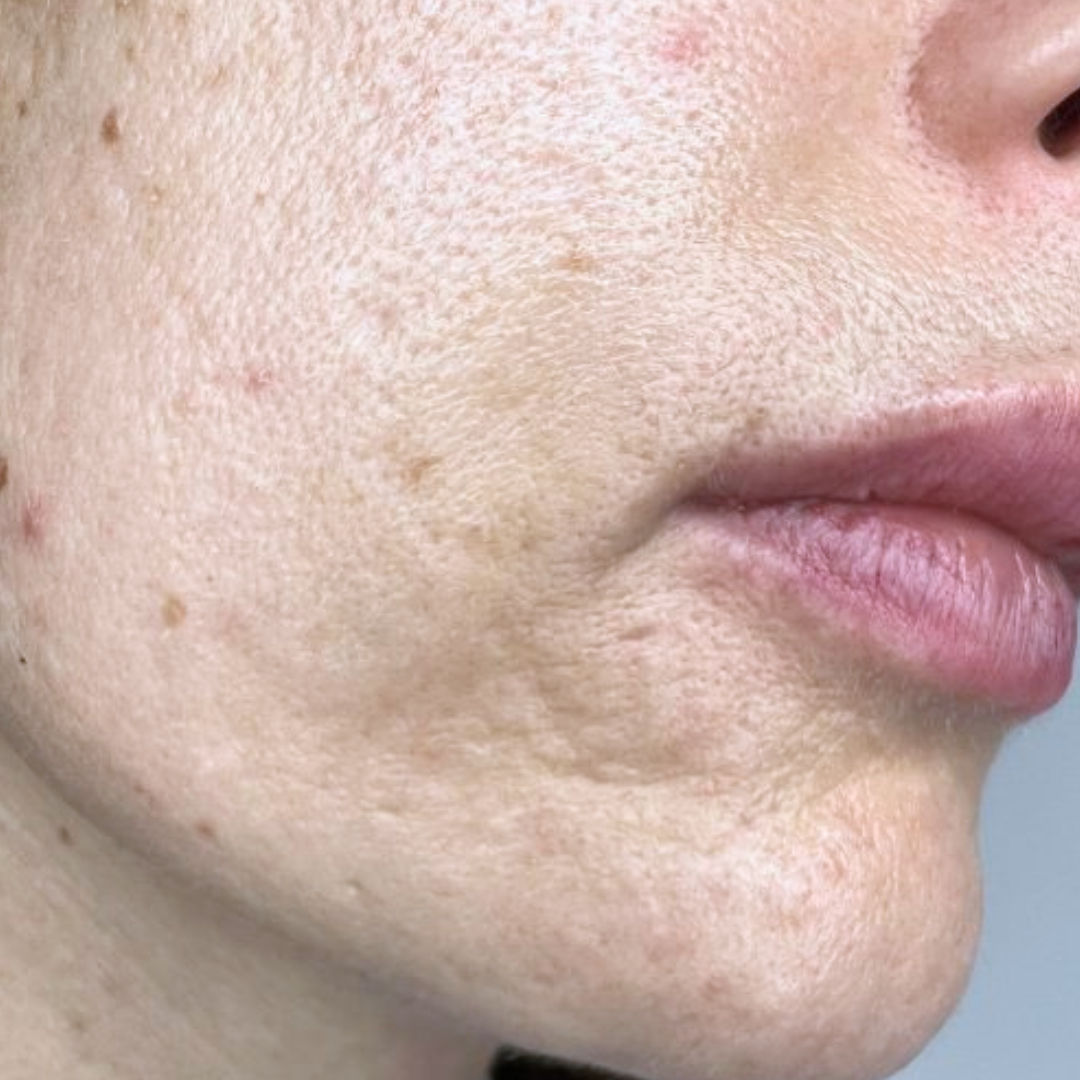
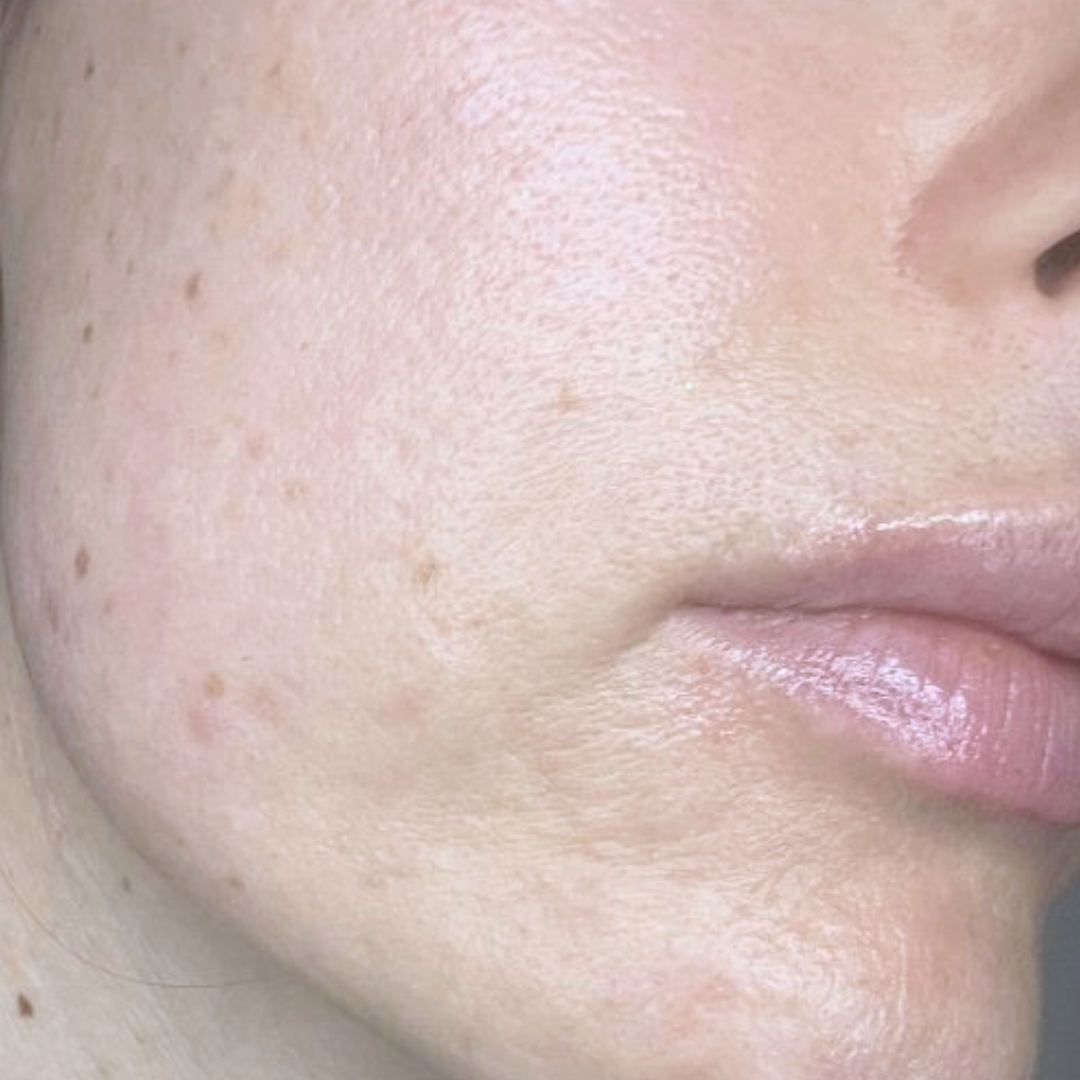
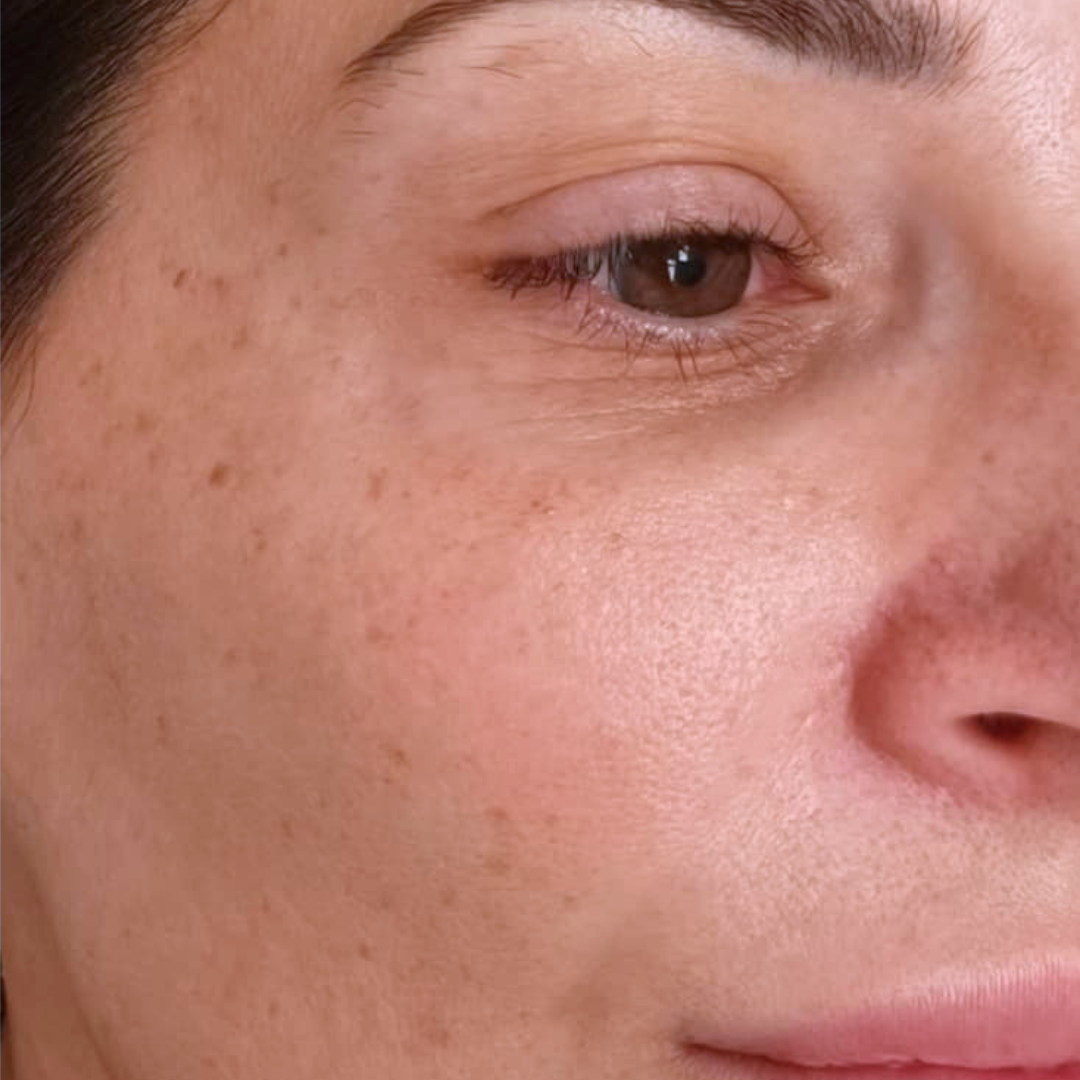
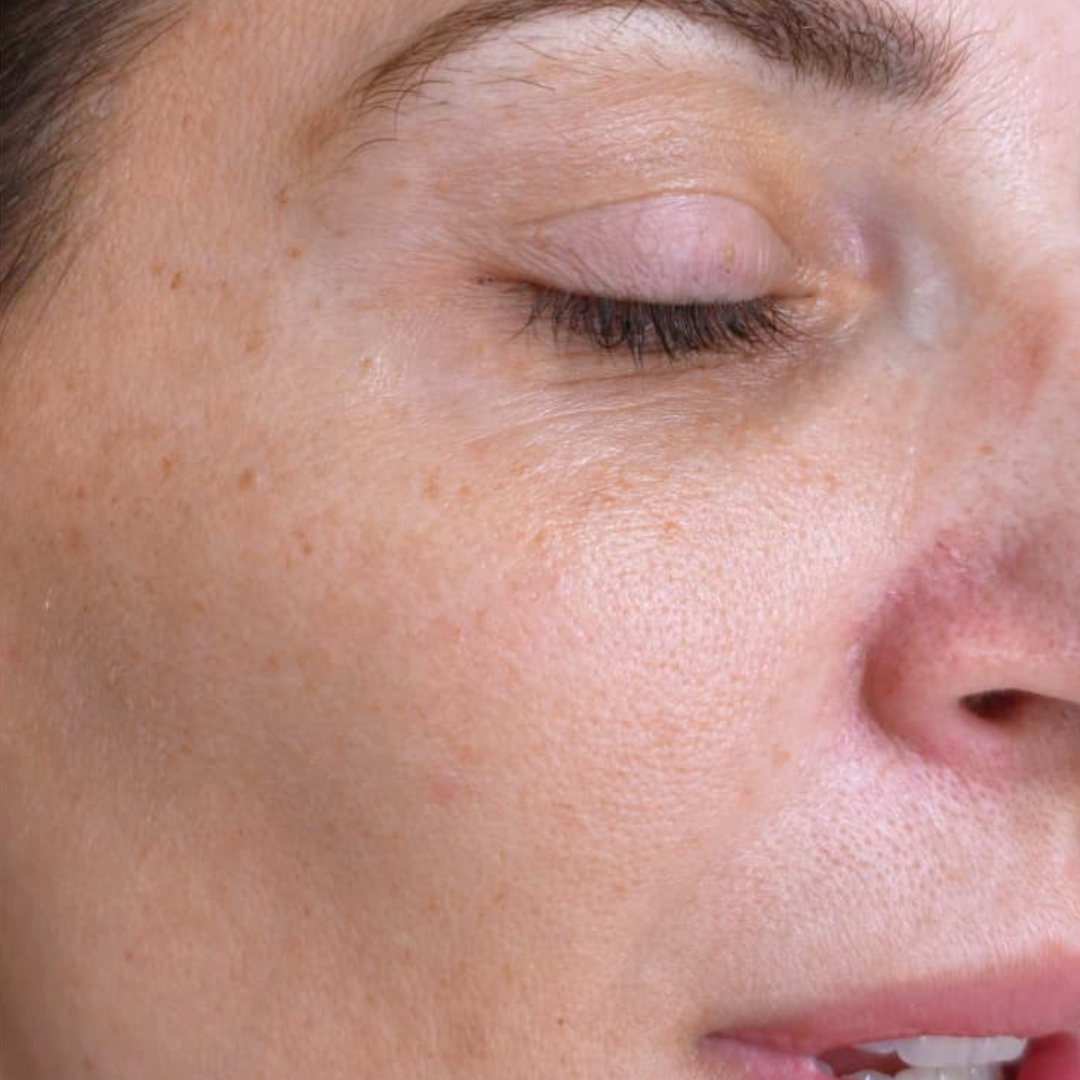
Real client transformations, and straight answers to the questions we are asked most. Drag any image to compare before and after.
BeforeAfter
Nd:YAG Pico RejuvenationThe CURA Refine Collection · See pricing
BeforeAfter
Nd:YAG Pico RejuvenationThe CURA Clarity Collection · See pricing
Individual results vary with skin type, concern and
the number of sessions completed. Every plan is built after an in-person assessment.
Everything you need to know
Frequently asked.
How does laser tattoo removal work?
Laser tattoo removal works by emitting high-intensity light beams of specific wavelengths that target the tattoo ink particles beneath the skin. The laser breaks down these particles into smaller fragments, which are then absorbed and eliminated by the body's immune system over time. Explore our tattoo removal guide for consultation and care information.
Is laser tattoo removal painful?
The procedure can be uncomfortable, often compared to the sensation of a rubber band snapping against the skin. Pain management options such as topical anaesthetics or cooling are available to minimise discomfort during treatment.
How many sessions are required to remove a tattoo?
The number of sessions needed varies based on several factors, including the tattoo's size, colour, age, and the individual's skin type. On average, most tattoos require between 5 and 10 sessions for complete removal, with treatments spaced several weeks apart to allow the skin to heal and the body to process the ink.
Are there any side effects of laser tattoo removal?
Common side effects include temporary redness, swelling, bruising, and changes in skin pigmentation. These typically subside within a few days to weeks after treatment. In rare cases there may be scarring or long-term pigment changes.
Can all tattoo colours be removed?
Laser technology, particularly the Nd:YAG laser, is effective at removing a wide range of tattoo colours. Darker colours like black and blue are easier to remove, while lighter colours like red, yellow and green may require more sessions and different wavelengths to achieve optimal results.
How should I care for my skin after a laser tattoo removal session?
Post-treatment care is crucial for optimal healing. Keep the treated area clean and dry, apply the recommended moisturisers and antibiotic ointments, avoid direct sunlight, and refrain from picking or scratching any scabs or blisters that form. Following the aftercare instructions provided will help minimise the risk of complications and improve the overall outcome.
Is tattoo removal safe for all skin types?
Yes. Advancements in laser technology have made tattoo removal safer for all skin types, including darker skin tones. The risk of pigmentation changes is higher in individuals with darker skin, so it is important to be treated by a qualified practitioner experienced with diverse skin types.
Can a partially faded tattoo be completely removed?
Yes. Partially faded tattoos can often be completely removed with laser treatment. Fading may occur naturally over time or from previous removal attempts, and continued laser sessions can further break down the remaining ink particles.
How much does laser tattoo removal cost?
Cost depends on the size, colour and complexity of the tattoo, and on the number of sessions required. At CURA skin, single sessions start at $75 for small tattoos, $150 for medium and $300 for large, with package pricing available. Your consultation will give you an accurate estimate for your specific tattoo.
Can laser tattoo removal be done on any part of the body?
Laser tattoo removal can be done on nearly any part of the body. Areas with thinner skin or higher sensitivity, such as the face or neck, may require more careful handling and possibly more sessions to achieve optimal results.
How does laser hair removal work?
Laser hair removal works by targeting the melanin (pigment) in hair follicles with concentrated light energy. The laser emits a specific wavelength of light absorbed by the melanin, heating the hair follicle and damaging it, which inhibits future hair growth. The surrounding skin remains unaffected due to the laser's precision. Explore our laser hair removal guide for consultation and care information.
Is laser hair removal permanent?
Laser hair removal significantly reduces hair growth and many patients experience long-lasting results. However it may not be completely permanent for everyone. Maintenance treatments might be necessary over time to manage any regrowth, which is typically finer and lighter than before.
How many sessions are needed for effective hair removal?
The number of sessions required varies depending on individual factors such as hair type, skin tone, and treatment area. Typically 4-6 sessions are recommended for optimal results, but some individuals may need more to achieve their desired outcome.
Is laser hair removal safe for all skin types?
Modern laser technology, particularly devices with multiple wavelengths like the triple Diode Laser, is designed to be safe for all skin types. The 1064nm wavelength in particular is effective for darker skin tones, reducing the risk of skin damage and hyperpigmentation.
What areas of the body can be treated with laser hair removal?
Laser hair removal can be performed on almost any part of the body, including the face (upper lip, chin and neck), underarms, arms, legs, back, chest, and bikini area. It is versatile and effective for both small and large treatment areas.
Is the treatment painful?
Most patients experience minimal discomfort during laser hair removal, often described as a mild stinging or snapping sensation. Advanced laser systems come with cooling mechanisms that help to minimize discomfort and protect the skin during the procedure.
What should I do to prepare for a laser hair removal session?
Prior to your session avoid sun exposure, tanning beds, and self-tanners for at least two weeks. Refrain from waxing, plucking, or using depilatory creams and shave the treatment area 24 hours before the session. Additionally avoid using harsh skin care products on the treatment area.
What can I expect after the treatment?
After the treatment you may experience mild redness and swelling, which usually subsides within a few hours to a couple of days. It's important to avoid sun exposure and use sunscreen on the treated areas to prevent skin irritation and hyperpigmentation. Avoid hot baths, saunas, and strenuous exercise for 24-48 hours.
How long does it take to see results?
You may notice a reduction in hair growth after the first session, but the most significant results typically appear after 4-6 sessions. Hair will gradually become finer or lighter, and treated hairs will fall out within 1 to 2 weeks post treatment.
How does laser hair removal compare to other methods like IPL?
Laser hair removal uses a specific wavelength of light to target hair follicles precisely, making it more effective and safer for various skin tones and hair types, compared to Intense Pulsed Light (IPL). IPL uses a broad spectrum of light and is less targeted, which can result in a less effective treatment for deeper hair follicles and a higher risk of irritation, especially in darker skin tones. Laser treatments generally require fewer sessions and offer more long-lasting results than IPL.
What is Microneedling?
Microneedling, also known as Dermaneedling, is a minimally invasive treatment that creates controlled micro-channels in the skin to stimulate collagen and elastin production. This natural renewal process helps improve skin texture, tone, scarring, fine lines, and overall skin quality. Explore our microneedling guide for consultation and care information.
What concerns can Dermaneedling treat?
Microneedling is commonly used to improve:
Acne scars
Surgical scars
Fine lines and wrinkles
Enlarged pores
Uneven skin texture
Mild pigmentation concerns
Stretch marks
Overall skin rejuvenation
How many treatments will I need?
While many clients notice improvements after one treatment, a series of 3–6 treatments annually is typically recommended for optimal results. Your treatment plan will be customized based on your skin concerns and goals.
Is Dermaneedling painful?
Most clients find the treatment very tolerable. A topical numbing cream is applied prior to treatment to maximize comfort.
How much downtime is required?
Downtime is minimal. Most clients return to normal activities within 24–48 hours, although redness can persist for several days depending on treatment intensity.
When will I see results?
Many clients notice improved skin texture and radiance within a few weeks. Because collagen remodeling takes time, the most significant improvements are typically seen over the following 4–12 weeks.
Can Dermaneedling be combined with other treatments?
Yes. Dermaneedling can be incorporated into a customized treatment plan alongside chemical peels, Pico Laser treatments, and professional skincare to enhance overall results.
What are skin boosters?
Skin boosters are specialized serums applied during treatment to target specific concerns such as hydration, pigmentation, collagen stimulation, and skin rejuvenation. Your provider will recommend the most appropriate booster based on your goals.
Who is a good candidate for Dermaneedling?
Dermaneedling is suitable for most healthy adults looking to improve skin quality, texture, and signs of aging. A consultation is recommended to determine if the treatment is appropriate for your skin type and concerns.
Is Dermaneedling safe for all skin types?
Yes. Dermaneedling is considered safe for most skin types and tones when performed by a trained professional. Your skin will be assessed during consultation to ensure the treatment is appropriate for you.
What is a medical-grade chemical peel?
A medical-grade chemical peel is an advanced skin treatment designed to accelerate cellular turnover, exfoliate damaged skin cells, and promote healthier, brighter-looking skin. Depending on your skin concerns, peels can improve texture, tone, acne, pigmentation, and signs of aging. Explore our advanced skin treatments guide for consultation and care information.
What skin concerns can a VITA Peel treat?
The VITA Peel can help improve:
Acne and congestion
Hyperpigmentation and sun damage
Melasma
Uneven skin tone
Fine lines and wrinkles
Dull skin
Rough texture
Enlarged pores
Will my skin peel after treatment?
Peeling varies from person to person and depends on the strength of the peel. Some clients experience visible flaking for several days, while others notice minimal peeling but still achieve excellent results.
Is a chemical peel painful?
Most clients experience a mild tingling or warmth sensation during treatment. The sensation is typically well tolerated and subsides quickly.
How many treatments will I need?
Many clients notice brighter, smoother skin after a single treatment. For concerns such as acne, pigmentation, or aging, a monthly treatment is often recommended for optimal results.
When will I see results?
Many clients notice an improvement in skin radiance and texture within one week. Continued improvements occur as new, healthier skin cells emerge over the following weeks.
Are chemical peels safe for all skin types?
Many peels can be safely customized for a wide range of skin types and tones. During your consultation, we will determine the most appropriate peel for your skin and goals.
What should I avoid after a chemical peel?
Following treatment, it is important to:
Wear SPF daily
Avoid direct sun exposure
Avoid picking or peeling the skin
Pause retinol, exfoliants, and active skincare ingredients as directed
Follow your personalized aftercare instructions
Can chemical peels be combined with other treatments?
Yes. Chemical peels are often incorporated into comprehensive skin correction programs and may be combined with Dermaneedling, Pico Laser treatments, and professional skincare to enhance results.
What's the difference between a spa peel and a medical-grade peel?
Medical-grade peels penetrate deeper into the skin and are designed to produce more significant corrective results. They are performed by trained professionals and can effectively target concerns such as pigmentation, acne, texture irregularities, and signs of aging while maintaining skin health and safety.
Every treatment begins with a complimentary consultation.
Fifteen minutes, no charge, no obligation — a proper assessment of your skin, your goals and your history before anything is recommended.